


Living with an anticoagulant prescription means you spend part of every day thinking about your body's chemistry. You take Warfarin, a medication that has prevented countless strokes and clots since the 1950s, but it demands respect. Unlike most pills you swallow, this one relies heavily on your daily habits. If you eat a strange salad or start a new antibiotic, your blood might thin too much or become too thick. This isn't just theoretical; for millions of people, getting this wrong leads to emergency room visits.
The core challenge is stability. Your doctor aims for a specific range, called the International Normalized Ratio or INR. Most conditions require an INR between 2.0 and 3.0. Think of this as your sweet spot where clots can't form, but you also don't bleed uncontrollably. Anything that shifts this number significantly poses a risk. Understanding what moves the needle is your best defense against complications.
How Warfarin Actually Works in Your Body
To understand the interactions, you have to see the mechanism. Warfarin doesn't dissolve clots. Instead, it stops your liver from making new clotting factors. It does this by blocking vitamin K. Specifically, it inhibits an enzyme called vitamin K epoxide reductase complex subunit 1. In plain English: your liver needs vitamin K to activate the proteins that stop bleeding. Warfarin cuts off that supply line.
This dependency creates the primary vulnerability. Because the drug targets the vitamin K pathway, changing how much vitamin K you consume directly changes how well the drug works. It is metabolized by enzymes in the liver, primarily a system called Cytochrome P450. This system is responsible for breaking down many other substances in your body, which opens the door for other medications to interfere. When another drug tells these liver enzymes to work faster or slower, the level of warfarin in your blood fluctuates unpredictably.
This metabolic process explains why warfarin has such a long half-life compared to newer options. It takes time to build up effect, usually peaking within three to four days after a dose change. Conversely, once you stop taking it, the effects linger. This slow ramp-up and ramp-down mean you have to plan ahead when starting new treatments.
Foods That Clash With Blood Thinners
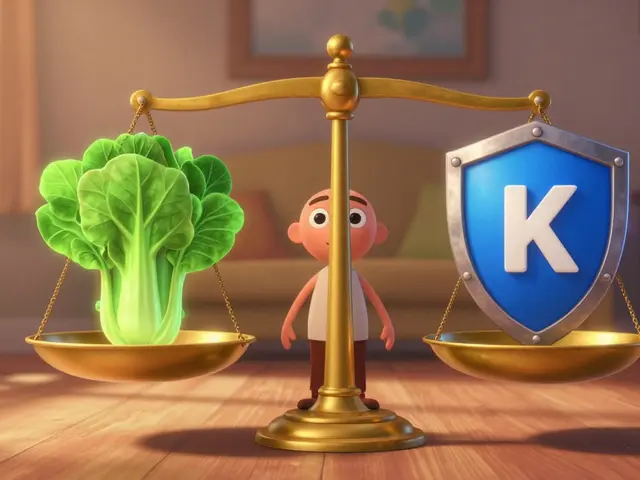
Dietary management is often misunderstood. People think they must avoid leafy greens entirely. That is incorrect advice. You do not need to banish spinach or kale. What matters is consistency. Sudden spikes in vitamin K intake lower your INR, making your blood thicker. Sudden drops raise your INR, increasing bleeding risk.
- Cooked kale has roughly 1,062 mcg of vitamin K per cup. That is a massive amount. Eating a large bowl of kale soup when you usually eat none will drop your INR.
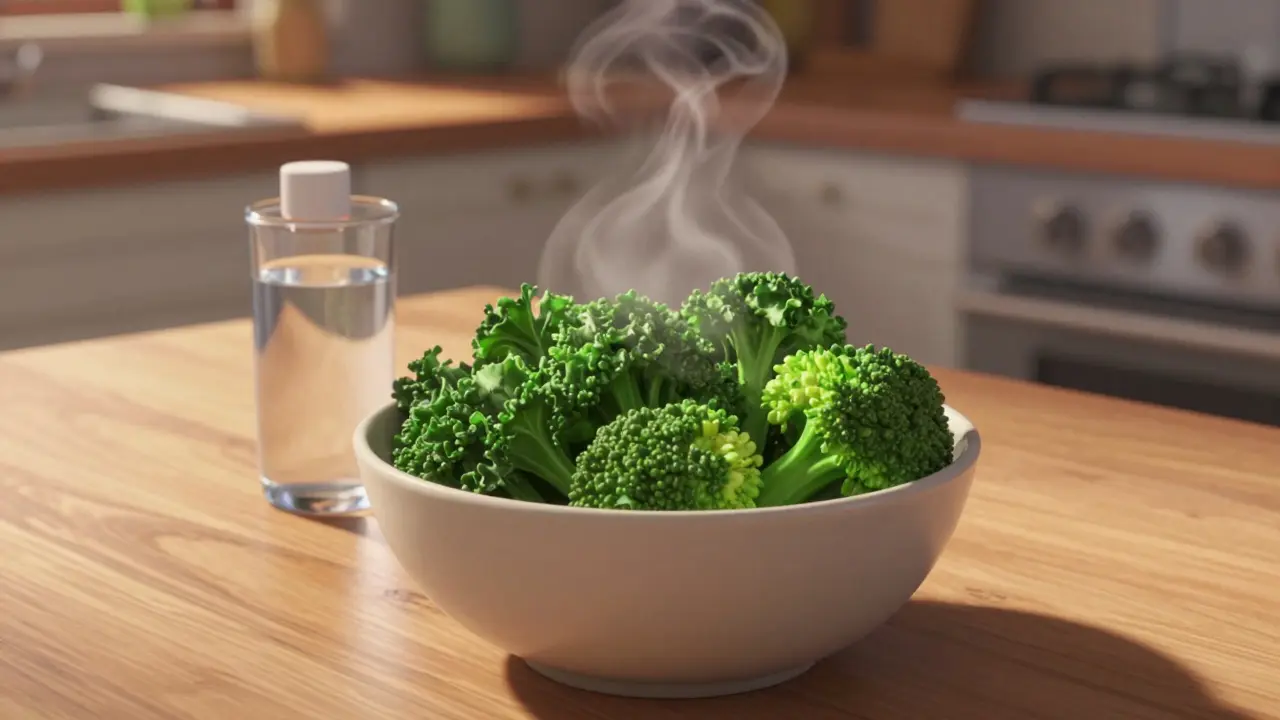
- Broccoli is milder, around 220 mcg per cooked cup, but eating five servings in one week instead of one creates a similar spike.
- Grapefruit juice interferes with liver enzymes differently than vegetables do. It blocks the metabolism of the drug itself, causing levels to rise dangerously.
You need a baseline. Figure out how many green vegetables you normally eat and stick close to that number daily. If you decide you want to eat more greens, introduce them gradually over weeks so your doctor can adjust your dosage. A single serving of spinach contains enough vitamin K to shift your INR by several points if you aren't used to it.
Alcohol plays a role here too. Moderate drinking can be tolerated by some stable patients, but binge drinking increases the risk of dangerous internal bleeding. Consuming three or more drinks daily multiplies that risk significantly. Alcohol dehydrates the body and alters liver function, compounding the complexity.
Supplements: The Hidden Triggers
Pills labeled as natural or herbal are not harmless just because they are plant-based. Many interact powerfully with the same pathways that regulate clotting.
Vitamin K supplements are the most obvious conflict. Taking a multivitamin with added vitamin K directly counteracts the medicine. Always check the label on any multivitamin before swallowing it. Even standard B-complex vitamins sometimes include trace amounts.
Some herbs affect blood clotting through different mechanisms:
- Ginkgo Biloba: Thins the blood independently. Taking this with warfarin stacks the risk of bleeding.
- St. John's Wort: Speeds up the liver enzyme that breaks down warfarin. This lowers the drug's effectiveness, putting you at risk for stroke.
- Ginseng: Can reduce the effectiveness of warfarin, leading to unstable INR readings.
- Garlic oil supplements: High doses can inhibit platelet function, adding to the bleeding risk.
If you take any herbal remedy, tell your specialist immediately. They may need to monitor your INR more frequently while you use the supplement.
Prescription Drugs That Cause Problems
Interactions with common medicines are the most frequent cause of emergencies. Antibiotics are a major culprit. Many antibiotics kill bacteria in your gut. Those bacteria help produce vitamin K. If you wipe them out, your vitamin K levels drop, and your INR shoots up.
Medication Class
Specific Examples
Effect on INR
Risk Level
Antibiotics
Bactrim, Amoxicillin
Increases INR
High
Pain Relievers
Ibuprofen, Naproxen
Increases Bleeding
Very High
Heart Rhythm Meds
Amiodarone
Increases INR
Critical
Antifungals
Fluconazole
Increases INR
High
NSAIDs are particularly tricky. Drugs like ibuprofen or naproxen block stomach protective layers. On their own, they cause ulcers. Combined with warfarin, they make those ulcers bleed severely. Tylenol (acetaminophen) is generally safer, but high doses over a long period can still slightly elevate INR.
Heart medications often cause the most significant swings. Amiodarone is famous for doubling the potency of warfarin quickly. Azole antifungal drugs like fluconazole can increase warfarin levels by 50-100% within two days. If you get a yeast infection treated with cream or pills, you must inform your GP who manages your blood thinners.

Managing Your Therapy Safely
The modern era offers alternatives, known as Direct Oral Anticoagulants or DOACs. Drugs like apixaban or rivaroxaban do not require weekly blood tests. However, they have fewer reversal options and higher costs. Warfarin remains cheaper and reversible, which saves lives in accidents or surgeries.
Maintaining stability requires discipline. Keep a diary of your food intake and new medications. Go to your blood tests consistently. Do not skip appointments even if you feel fine. Symptoms of a low INR are subtle-swollen legs or shortness of breath might indicate a forming clot. Symptoms of a high INR are more obvious, like gum bleeding, nosebleeds, or unusual bruising.
If you need surgery or dental work, tell the surgeon about your medication. Sometimes the dose is paused for a few days. This decision depends on your individual heart valve or clotting history. Never stop the medication yourself without instruction.
Frequently Asked Questions
Can I still eat broccoli while on warfarin?
Yes, you can eat broccoli. The key is to keep the amount consistent. Do not suddenly increase your intake to multiple cups a day if you usually eat very little. Stick to your normal portion sizes.
What happens if I miss a dose?
If you remember the missed dose later in the day, take it. If it is near the next scheduled dose, skip the missed one. Never double the dose to make up for a mistake, as this causes rapid toxicity.
Are there any vitamins I should avoid?
Avoid supplements containing Vitamin K. Also be cautious with Vitamin E, fish oil, and ginkgo biloba, as they can increase bleeding risk. Check labels carefully.
Does coffee interact with warfarin?
Coffee alone has minimal impact, but caffeine can affect metabolism in some people. Tea, especially green tea, can contain small amounts of vitamin K or affect absorption. Drink it in moderate, consistent quantities.
How often do I need blood tests?
Frequency varies. New users need tests weekly. Stable patients might test once a month or less. Your doctor determines the schedule based on your recent INR stability.



The alchemy of modern medicine often feels like walking a tightrope suspended over a canyon of biological uncertainty. You describe the warfarin mechanism with such clarity yet the human element remains the wild variable in this equation. We spend our lives curating diets that nourish us while simultaneously fearing nutrients that protect us from clotting. It is a paradox where spinach becomes both friend and foe depending on the context of ingestion. Stability requires a discipline that borders on monastic devotion to routine in a world designed for chaos. The concept of the sweet spot resonates deeply because life itself is rarely about finding extremes. Liver enzymes dance to a rhythm that we cannot hear but must feel through blood tests. Every meal becomes a negotiation with mortality rather than simple sustenance for survival. People forget that consistency is the true guardian against the capricious nature of anticoagulants. A sudden shift in kale intake is more dangerous than the vegetable itself ever was. Supplements promise wellness but often hide mechanisms that sabotage prescribed therapies. Ginkgo biloba might seem innocent yet it stacks risks upon risks for the unwary patient. We must respect the chemistry without becoming slaves to fear of every green leaf. True freedom comes from understanding the rules rather than living in panic of them. Monitoring creates a dialogue between body and doctor that saves lives daily. Never underestimate the power of patience when your system builds up resistance or sensitivity over time.
i totally agree with everything here and it makes me feel less scared about eating my veggies now thanks for sharing this info honestly its a relief to know i dont have to stop eating broccoli forever just keep it same amounts which helps alot
Most people read posts like this and still do nothing different because ignorance is truly bliss until the ER visit happens. The average person lacks the cognitive capacity to manage vitamin K fluctuations properly anyway. They want quick fixes instead of the grueling work required to maintain a stable INR ratio. Your average blog reader treats health advice like entertainment rather than critical medical instruction.
yeah thats true but people really struggle with the consistency part too i mean who wants to track every meal they eat like a hawk watching prey its exhausting keeping things exactly the same every single day forever
This guide is incredibly helpful thank you for taking the time to explain everything so clearly 🌟🩸💊
omg the grapefruit juice thing is scary i had no idea drink blocks enzyme metabolism like that completely changes how safe we are with food choices really shocking stuff for daily living
It is imperative that individuals recognize the severity of pharmaceutical interference without emotional attachment. The scientific community knows these pathways well yet public discourse remains dangerously simplistic. One cannot simply ignore the metabolic cascades triggered by common antibiotics or antifungal agents. Discipline is required to avoid catastrophic hemorrhagic events.
Honestly the supplement section is where most of us fail because we think natural means safe but herbal stuff is basically unregulated poison waiting to interact with meds seriously check your labels before popping pills
you shoudl talk to your drk about your diet plan cause i heard some guys bleed out from just changing salad greens it terrifes me thinking abou tmy own family history wit bleeding issues