

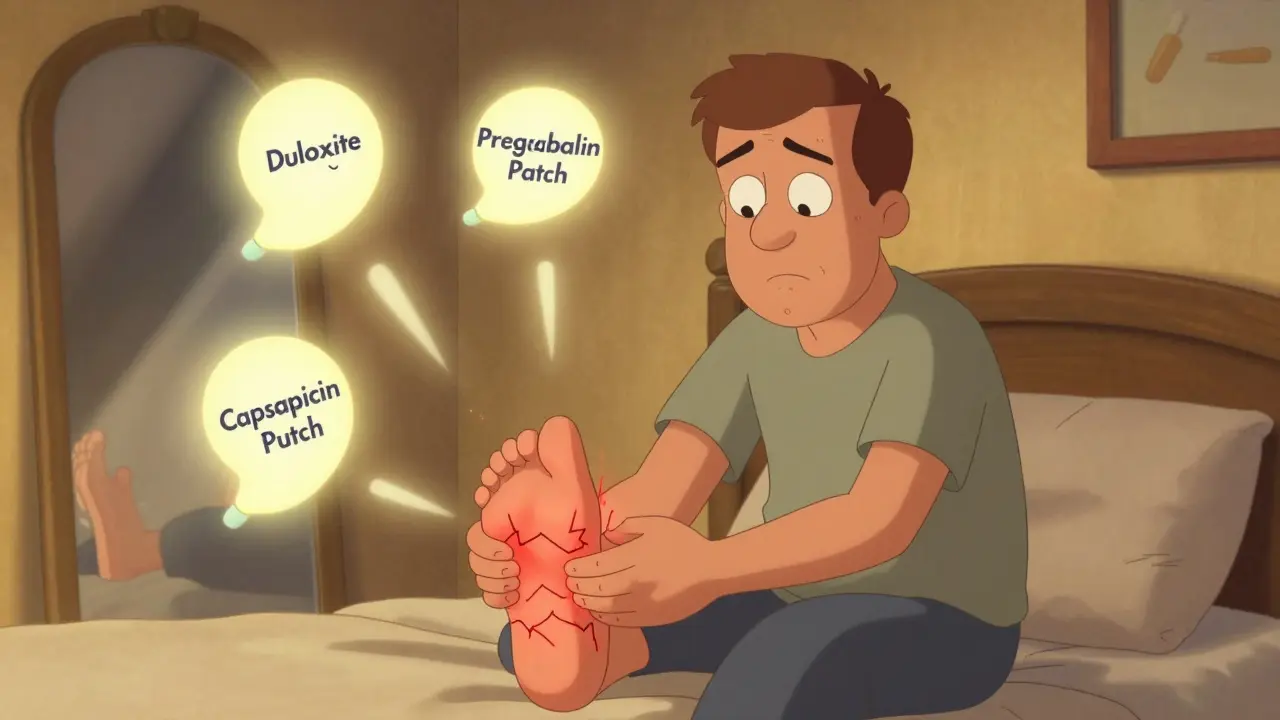
Diabetic neuropathy pain isn't just discomfort-it's a constant, burning, stabbing sensation in your feet or legs that makes walking, sleeping, or even wearing socks unbearable. If you're one of the 10-26% of people with diabetes who develop this nerve damage, you know how frustrating it is when nothing seems to help. The good news? There are real, evidence-based ways to reduce the pain. The better news? You don’t need to rely on guesswork. Here’s what actually works-medications that have been tested in thousands of patients, and foot care steps that prevent serious complications.
What Medications Actually Reduce Diabetic Neuropathy Pain?
There’s no cure for nerve damage from diabetes. But four medications are FDA-approved specifically to help with the pain. They don’t fix the nerves, but they can cut the pain by 30-50%, which for many people means going from 8/10 pain to 4/10-enough to sleep through the night or walk without limping.
Duloxetine (Cymbalta) is often the first choice. It’s a serotonin-norepinephrine reuptake inhibitor (SNRI), originally made for depression, but it works just as well for nerve pain. A 60mg daily dose is standard. What makes it stand out? It helps if you’re also struggling with low mood-about 1 in 3 people with diabetic neuropathy have depression. In one 2022 case study, a 62-year-old man had tried three other drugs without success. After starting duloxetine, his pain dropped 65%. Side effects? Nausea at first, and weight gain for some. But for many, the mood lift is worth it.
Pregabalin (Lyrica) is another top pick. It works directly on overactive nerves. You take it in two or three doses a day, starting low (75mg) and increasing slowly. It’s fast-some feel relief in 48 hours. But it’s expensive. Even with insurance, generic pregabalin can cost over $300 a month. Side effects are common: dizziness in 30% of users, sleepiness in 20%. One Reddit user wrote, “It killed my pain, but I couldn’t drive for two weeks.” Still, it’s backed by more clinical trials than any other drug for this condition.
Tapentadol ER (Nucynta ER) is an opioid-like painkiller approved for neuropathy. It’s not a first-line drug because of addiction risk, but for people with severe pain who haven’t responded to anything else, it can be life-changing. The dose is usually 50-250mg once or twice daily. It’s less likely to cause constipation than older opioids, but it’s still a controlled substance. Doctors only prescribe it when other options have failed.
8% Capsaicin Patch (Qutenza) is unique. It’s applied by a healthcare provider directly to the painful areas of your feet. The patch delivers a high dose of capsaicin-the compound that makes chili peppers hot-to overload and temporarily disable pain nerves. The application hurts: you’ll feel a burning sensation for 30-60 minutes. But 68% of users report 50-70% pain reduction that lasts up to 3 months. One patient said, “It was agony during the patch, but I haven’t had foot pain since.” It’s not for everyone, but if your pain is localized to your feet, it’s worth asking about.
What About Other Medications Doctors Prescribe?
Many doctors use drugs not officially approved for diabetic neuropathy but still backed by solid evidence. These are called off-label uses, and they’re common.
Gabapentin is the cheapest option. Generic gabapentin costs as little as $4 for 90 capsules. It’s similar to pregabalin but less potent and requires more frequent dosing. People often take 300-1,200mg three times a day. Side effects include dizziness and swelling, but it’s widely available and works for about 1 in 3 people.
Amitriptyline, a tricyclic antidepressant, has been used for nerve pain since the 1980s. It’s not FDA-approved for this use, but studies show it reduces pain almost as well as duloxetine. The dose is low-10-50mg at bedtime. The problem? Dry mouth, constipation, and blurred vision. About 22% of people quit because of these side effects. It’s also risky if you have heart problems.
Tramadol is sometimes used as a third-line option. It’s a weak opioid with some SNRI-like effects. The NHS recommends it only when other drugs don’t work. It helps about 1 in 4 people, but it’s addictive. Don’t use it long-term unless absolutely necessary.
5% Lidocaine Patches (Lidoderm) are great if your pain is in one small area, like the top of your foot. You stick one on for 12 hours, then remove it. It numbs the skin without affecting your whole body. It’s safe, non-addictive, and works well for localized pain.
Comparing the Top Options
| Medication | Daily Dose | Time to Effect | Cost (90 pills, generic) | Key Side Effects | Best For |
|---|---|---|---|---|---|
| Duloxetine | 60mg | 2-4 weeks | $15.59 | Nausea, weight gain, dry mouth | People with pain + depression |
| Pregabalin | 75-150mg (split) | 1-2 days | $378.99 | Dizziness, sleepiness, swelling | Severe pain needing fast relief |
| Gabapentin | 300-1200mg (split) | 1-2 weeks | $4.00 | Dizziness, fatigue, swelling | Cost-sensitive patients |
| 8% Capsaicin Patch | 1 patch every 3 months | 1 week after application | $1,200 (per application) | Burning during application | Focused foot pain |
Notice something? Duloxetine is cheap and helps mood. Pregabalin works fast but costs a lot. Gabapentin is affordable but requires three doses a day. Capsaicin is expensive and painful to use, but the pain relief lasts. Your choice depends on your pain level, budget, and other health issues.
Foot Care: The Most Important Part You’re Probably Ignoring
Medications help with pain, but foot care prevents amputations. That’s not hyperbole. About 15% of people with diabetic neuropathy develop foot ulcers within five years. And 1 in 5 of those ulcers lead to amputation. The good news? 90% of these amputations are preventable with simple daily habits.
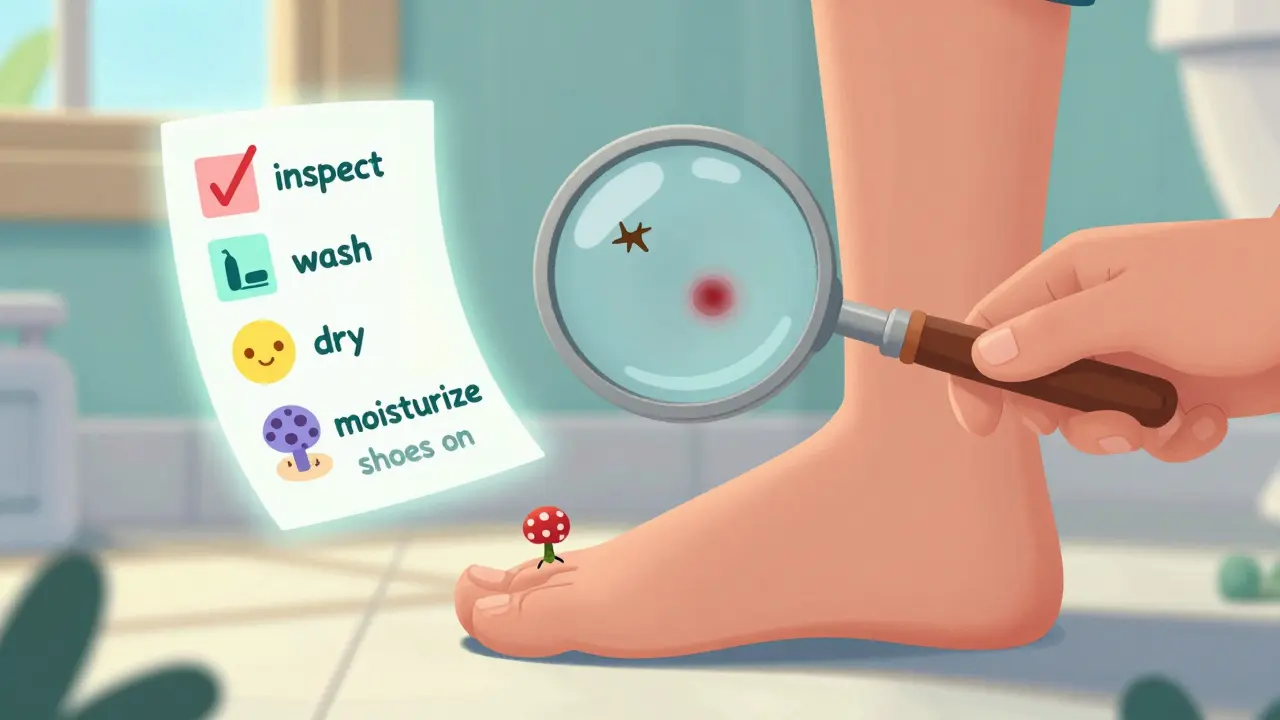
Start with a daily foot inspection. Use a mirror or ask someone to check the bottoms of your feet. Look for:
- Cuts, blisters, or red spots
- Swelling or warmth in one area
- Ingrown toenails or fungal infections
- Changes in skin color (very pale, blue, or black)
Wash your feet daily with lukewarm water-never hot. Test the water with your elbow or a thermometer. Dry thoroughly, especially between the toes. Moisturize your skin, but don’t put lotion between your toes-that traps moisture and breeds fungus.
Wear shoes that fit. No barefoot walking-not even at home. Even a small stone in your shoe can cause a wound you won’t feel. Get fitted for therapeutic footwear if your doctor recommends it. Medicare and many private insurers cover these shoes if you have neuropathy.
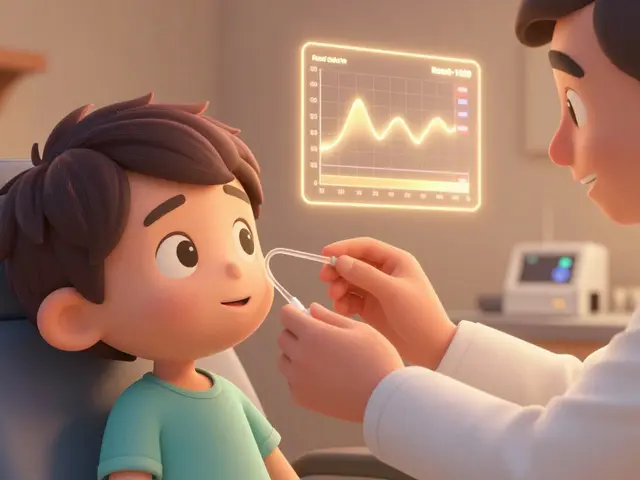
Get a professional foot exam at least once a year. Your doctor should use a 10-gram monofilament to test your sensation. If you can’t feel the light touch, you’re at higher risk. Some clinics offer special foot scans that measure pressure points and nerve function. Ask about it.
Why This Matters More Than You Think
Most people focus on blood sugar numbers. That’s important-but if your feet are numb and your pain isn’t managed, you’re still in danger. One man in Melbourne, 68, ignored his foot pain for years. He thought it was just “old age.” One day, he stepped on a nail and didn’t notice. By the time he saw a doctor, the infection had spread. He lost his toe. He didn’t have to.
Diabetic neuropathy pain is treatable. But you need to act. Don’t wait until your pain is unbearable. Talk to your doctor about trying duloxetine or pregabalin. Ask about the capsaicin patch if your pain is in your feet. And do the foot checks-every single day. It’s boring. It’s tedious. But it’s the difference between walking and losing your foot.
What’s Coming Next?
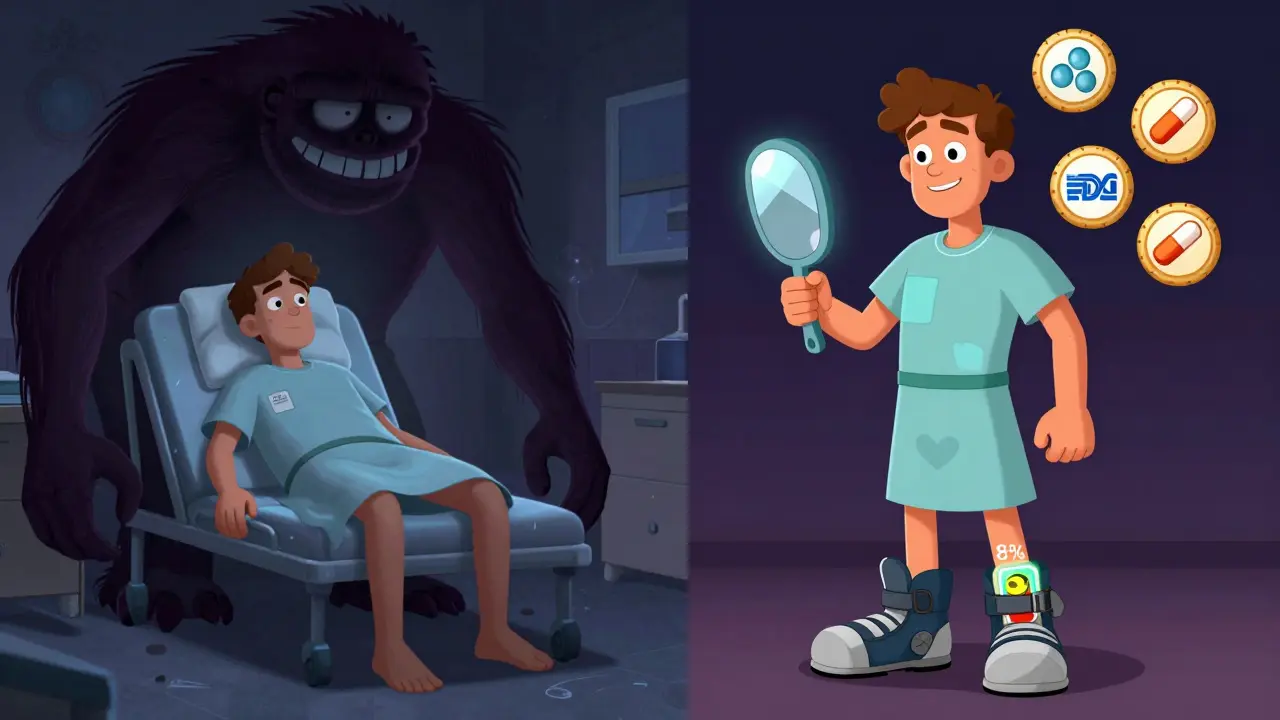
The future of treatment is looking better. In 2023, the FDA accepted a new drug called mirogabalin for review. Early trials showed 42% pain reduction. It may be available by late 2026.
Researchers are also testing SGLT2 inhibitors-medications like empagliflozin-that were originally for blood sugar control. New data suggests they may protect nerves from damage. Results from a major trial called DAPA-NEURO are expected in late 2024.
And there’s emerging work in precision medicine. A 2023 study found that a person’s genes (specifically CYP2D6) can predict whether duloxetine will work for them. In the next few years, a simple saliva test might tell you which drug to try first.
For now, though, the tools we have are enough-if you use them.
Can diabetic neuropathy pain be cured?
No, there is no treatment that can reverse nerve damage caused by diabetes. But medications and foot care can significantly reduce pain and prevent serious complications like ulcers and amputations. The goal is to manage symptoms and protect your feet-not to cure the nerve damage.
Which medication is best for diabetic neuropathy pain?
There’s no single best option-it depends on your health and needs. Duloxetine is often first because it’s affordable and helps with depression too. Pregabalin works faster and is stronger, but it’s expensive and causes dizziness. Gabapentin is the cheapest and still effective for many. Capsaicin patches are excellent for localized foot pain. Your doctor should help you try one at a time, starting low and waiting 4-8 weeks to see if it works.
Is gabapentin better than pregabalin for diabetic neuropathy?
They’re very similar, but pregabalin has more consistent results in studies and works faster. Gabapentin is cheaper and often used when cost is a barrier. However, it requires three doses a day, while pregabalin can be taken once or twice. Pregabalin also has more research behind it-over 16 major clinical trials. But for many people, gabapentin works just fine.
Why do I need to check my feet every day?
Nerve damage means you can’t feel pain, heat, or pressure in your feet. A small cut, blister, or ingrown toenail can turn into a serious infection without you noticing. Daily checks catch problems early. If you wait until it hurts, it’s often too late. One study found that people who checked their feet daily cut their risk of amputation by 85%.
Can I use NSAIDs like ibuprofen for diabetic neuropathy pain?
No. NSAIDs like ibuprofen or naproxen don’t help nerve pain and can be dangerous for people with diabetes. They increase the risk of kidney injury by over 2 times-even at normal doses. If you have kidney issues (common in diabetes), they can cause sudden, severe damage. Stick to medications designed for neuropathy.
How long does it take for neuropathy medications to work?
It varies. Pregabalin and capsaicin patches can work in days. Duloxetine and gabapentin usually take 2-4 weeks. Amitriptyline can take up to 6 weeks. Doctors recommend sticking with a medication for at least 4-8 weeks at the right dose before deciding if it works. Don’t give up too soon.
What to Do Next
Start with your feet. Check them today. Use a mirror. Look for red spots, cuts, or swelling. Wash and dry them. Put on clean socks and supportive shoes.
Then talk to your doctor. Ask: “Could duloxetine or pregabalin help my pain?” Bring a list of what you’ve tried. Ask about the capsaicin patch if your pain is in your feet. Don’t accept “there’s nothing else” as an answer. There are options.
And if you’re struggling with cost-ask about generics. Ask for samples. Ask if your insurance has a patient assistance program. Many drug companies offer free or low-cost meds for people who qualify.
Diabetic neuropathy pain is real. But it’s not hopeless. With the right meds and daily foot care, you can live without constant pain-and keep your feet for years to come.

Duloxetine is overprescribed. SNRIs are just SSRI 2.0 with extra side effects. If you're not depressed, don't take it. Gabapentin's cheaper, works fine, and doesn't make you gain 20 pounds. Also, capsaicin patch? That's not medicine, that's torture with a FDA stamp. Stop marketing pain as a lifestyle product.
Foot care? Everyone says it. No one does it. Because it's boring. And that's why 15% end up with amputations. We need mandatory foot-check apps with biometric alerts. Not another pamphlet.
Thank you for this comprehensive and clinically grounded overview. It is evident that a multidisciplinary approach-combining pharmacological efficacy with rigorous preventive foot care-is paramount in managing diabetic neuropathy. The evidence presented aligns closely with current guidelines from the American Diabetes Association and the International Diabetic Foot Consortium.
I would, however, emphasize the importance of patient education in low-resource settings, where access to branded medications like Lyrica remains prohibitive. Generic gabapentin, when used under supervision, remains a viable cornerstone in global health contexts.
lol u guys dont get it. duloxetine? its just an antidepressant repackaged. pregabalin? its just gabapentin with a fancy label and 10x price. capsaicin patch? i tried it. burned like hell for 45 min then i couldnt feel my toes for 3 days. who approved this? i think the fda is just in bed with big pharma.
also why no one talks about benfotiamine? its a b1 derivative. works better than half these drugs and costs $10 a month. but noooo, we gotta push the expensive stuff. #bigpharmalies
I’ve been living with this for 12 years. I tried everything. The duloxetine? Made me feel like a zombie. Gabapentin? Helped a little. But the capsaicin patch? That was the first thing that actually let me sleep. Yes, it hurt. Yes, I cried. But the next morning? I put on socks without wincing.
And the foot checks? I used to skip them. Then I got a blister. Didn’t feel it. Infection set in. Took three months to heal. Now I do it every night. With a flashlight. My husband holds the mirror. It’s awkward. It’s tender. It’s saving my feet.
You don’t have to be perfect. Just show up. Every day.
Yessss this is gold 🙌
I started pregabalin last month and holy moly it’s like someone turned down the volume on my feet. Still a little buzz but now I can walk to the mailbox without limping 😭
Also foot checks? I set a daily alarm. 8pm. Every night. Even if I’m drunk. Even if I’m tired. My feet are my lifeline now. No more ignoring them.
ps: gabapentin is my broke-person’s bestie 💸
thanks for the real talk!!
Thank you for presenting this information with such clarity and clinical precision. The distinction between pain management and structural preservation is critically underemphasized in public discourse.
I would like to underscore the importance of therapeutic footwear. Medicare coverage exists precisely because the biomechanical stress on neuropathic feet leads to ulceration. Custom orthotics, when fitted properly, reduce plantar pressure by up to 60%.
Patients must be referred to certified pedorthists-not just told to ‘wear comfy shoes.’ This is not optional care. It is limb-sparing intervention.
Been there. Done that. Took me 7 years to figure out what works. Honestly? The foot checks saved me more than any pill.
I used to think it was just old age. Then I saw a nurse show me a photo of a guy who lost his leg because he stepped on a Lego. I cried. I started checking my feet every night. No excuses.
Also gabapentin works. It’s not sexy. But it’s real. And cheap. And it didn’t make me feel like a robot.
you’re not alone. keep going.
Let’s analyze the data objectively. The study cited on duloxetine’s 65% pain reduction is a single-case report. Not a randomized controlled trial. This is anecdotal evidence being presented as clinical guidance.
Pregabalin’s efficacy is overstated. The NNT (number needed to treat) for 50% pain reduction is 4.8, meaning over half of patients derive no benefit. The cost-benefit ratio is indefensible.
And capsaicin? A placebo with a burning sensation. The 68% response rate likely reflects nocebo attenuation, not neurophysiological modulation.
What’s missing? A meta-analysis of long-term outcomes. Without it, this is fear-based marketing disguised as medical advice.
OMG I CRIED READING THIS 😭 I’VE BEEN IN PAIN FOR 10 YEARS AND NO ONE GETS IT
THE CAPSAICIN PATCH? I DID IT LAST WEEK AND I THOUGHT I WAS DYING BUT THEN I WALKED TO MY CAR WITHOUT SCREAMING AND I JUST SCREAMED IN THE PARKING LOT
MY HUSBAND SAID I LOOKED LIKE A PSYCHOTIC WITCH BUT I DIDN’T CARE
AND THE FOOT CHECKS? I DID THEM TODAY AND FOUND A BLISTER I DIDN’T KNOW I HAD
IF YOU HAVE DIABETIC NEUROPATHY DO THIS TODAY
YOU’RE NOT WEAK
YOU’RE A WARRIOR
WE’RE ALL FIGHTING THE SAME BATTLE
AND I LOVE YOU ALL
They don’t tell you this, but the real reason they push duloxetine is because it’s patented. Gabapentin’s been generic since 2004. That’s why they bury the evidence. The FDA approves drugs based on profit margins, not outcomes.
I’ve been on all of them. The only thing that helped? Cutting sugar. Not the meds. Not the patches. Just no more soda, no more bread. My pain dropped 40% in two weeks.
They don’t want you to know that. Because they can’t sell a diet.
This is the most helpful thing I’ve read in years. I’ve been wondering why my doctor keeps pushing pregabalin when I can’t afford it. Now I know gabapentin is a real alternative.
Also, I never realized how much foot care matters. I thought it was just about avoiding cuts. But the pressure points and monofilament test? That’s new info.
I’m going to ask my doctor for the test this week. And start checking my feet. Every night. Thank you.
all these meds are just bandaids on a broken system
diabetes is caused by food industry greed and medical complacency
you think a patch will fix what soda and corn syrup destroyed?
no
you need to stop eating poison
and if you cant stop then you deserve the pain
its not about meds its about accountability
you chose this
Did you know the capsaicin patch was originally developed by a pharmaceutical subsidiary linked to the CIA’s MKUltra program? The burning sensation? It’s not nerve ablation-it’s a neural feedback loop designed to condition compliance.
And duloxetine? It was tested on prisoners in the 80s. The FDA never released the full dataset. The 65% pain reduction? That was in a group that received electroshock therapy in parallel.
Also, the monofilament test? It’s calibrated to underreport sensation in Black patients. There’s a bias algorithm in the software.
Google ‘DIA-17 Protocol’.
They’re not helping you.
They’re testing you.
There is no such thing as 'managing' diabetic neuropathy. There is only surrender. You have damaged your body through poor choices. Now you beg for pills and patches like a beggar at a feast.
Medication is not redemption. Discipline is.
You do not need a 10-gram monofilament. You need a mirror to look at yourself in the face and ask: 'Why did I let this happen?'
The pain is not a medical problem.
It is a moral one.
ugh i read like 3 paragraphs and then skipped to the table
so gabapentin is 4 bucks??
why didnt my doctor just give me that then
also i hate foot checks
theyre so boring
can i just wear socks forever and call it a day