

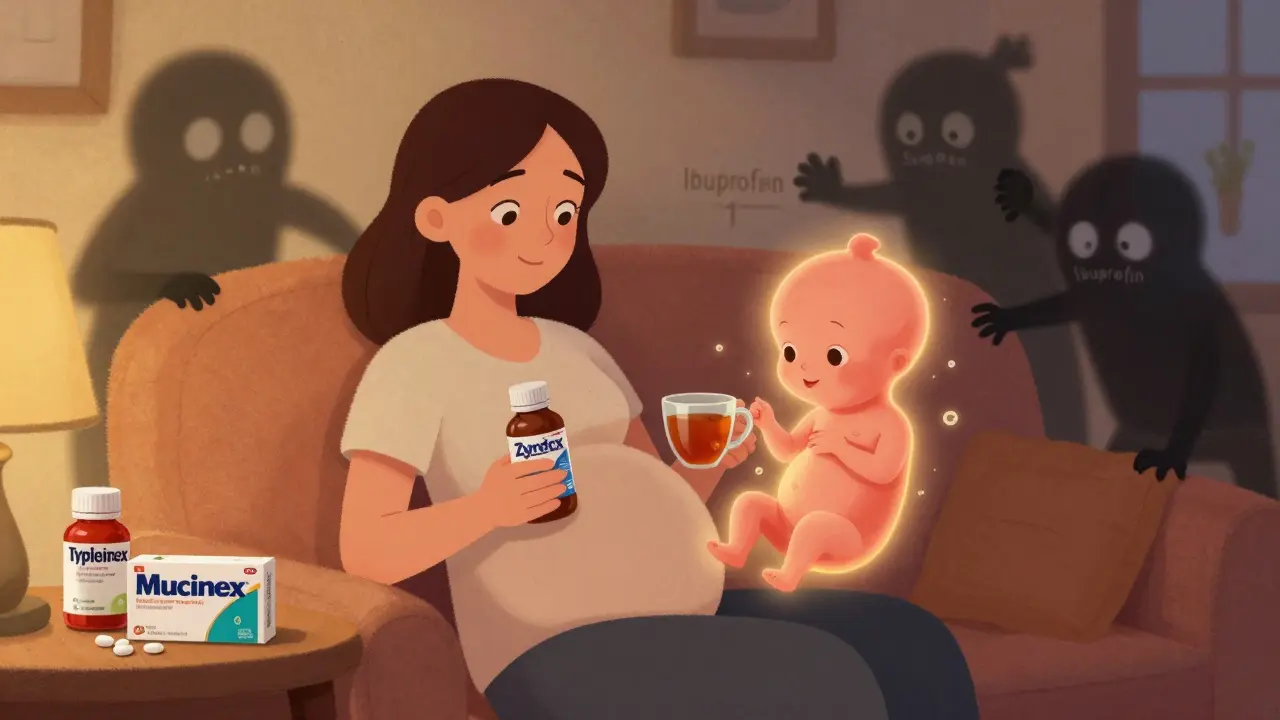
When you're pregnant, even a simple headache or runny nose can turn into a stressful decision. You want to feel better, but you’re terrified of harming your baby. The good news? Many common medications are safe to use during pregnancy - if you know which ones and how to use them correctly. This isn’t about guessing or scrolling through forums. It’s about clear, evidence-based guidance from doctors, registries, and clinical studies updated through 2024.
What’s Actually Safe? The Core List
Not all meds are created equal when you’re expecting. Some are backed by decades of data, others by small studies, and many still have gaps. Here’s what the most trusted sources - including the University of Michigan Medicine, ACOG, and MotherToBaby - agree on as safe for most pregnant people.
Allergy relief: Cetirizine (Zyrtec) at 10mg once daily is consistently recommended across nine major guidelines. Loratadine (Claritin) at 10mg daily is also widely accepted. Fexofenadine (Allegra) at 180mg daily is considered safe too, but only the non-drowsy version. Avoid older antihistamines like diphenhydramine (Benadryl) for regular use - new data suggests possible effects on fetal brain development. If you need it for sleep, limit it to occasional use.
Cold and congestion: Guaifenesin (Mucinex) is safe at standard doses, but only if it’s the plain version. Skip multi-symptom formulas - they often hide decongestants like phenylephrine or pseudoephedrine. Dextromethorphan (Robitussin DM) is okay up to 120mg in 24 hours. Saline nasal sprays? Perfect. No restrictions. Steam, humidifiers, and saltwater rinses are just as helpful and carry zero risk.
Pain and fever: Acetaminophen (Tylenol) is the gold standard. But here’s the catch: don’t exceed 3,000mg per day. That’s six 500mg tablets. Tylenol PM? Avoid it. It contains diphenhydramine, which isn’t meant for daily use in pregnancy. Never take ibuprofen (Advil), naproxen (Aleve), or aspirin after 20 weeks. These can cause serious kidney problems in the baby and reduce amniotic fluid. Even before 20 weeks, use them only if absolutely necessary and for the shortest time possible.
Heartburn and nausea: Calcium carbonate (Tums) is safe and effective. Take it as needed, but watch your total calcium intake - too much can cause constipation. Famotidine (Pepcid) at 20mg twice daily is also approved. For nausea, the combo of vitamin B6 (25mg three times a day) and doxylamine (Unisom 25mg at bedtime) is the most effective non-prescription option. This is the exact formula in Diclegis, the FDA-approved prescription version. Many women report life-changing results - going from 10 vomiting episodes a day to just one or two.
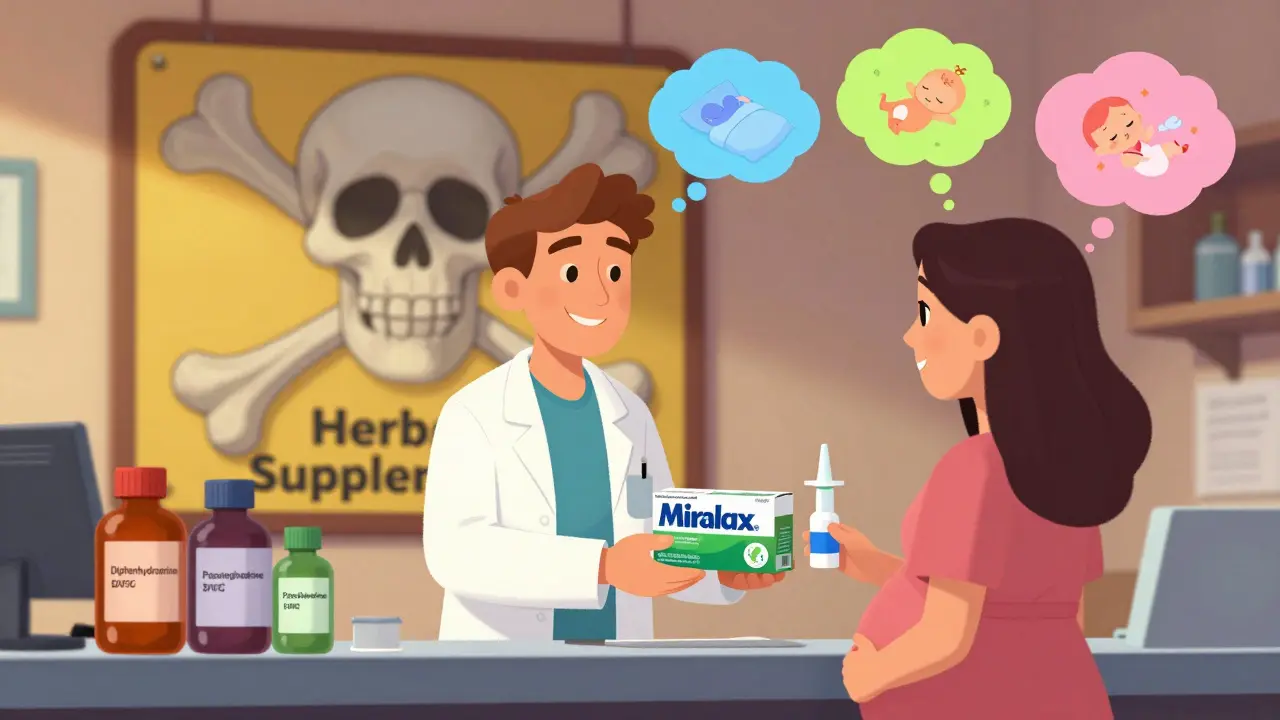
Constipation: Polyethylene glycol (Miralax) at 17g daily is safe and gentle. Fiber supplements like psyllium (Metamucil) are also fine. Avoid stimulant laxatives like senna unless prescribed.
What to Avoid - Even If It’s ‘Natural’
Just because something is labeled “natural” doesn’t mean it’s safe. Herbal teas, supplements, and home remedies often have no research backing them for pregnancy. Peppermint tea? Fine in small amounts. But pennyroyal, black cohosh, or dong quai? These can trigger contractions or bleeding. Turmeric in food? Safe. Turmeric supplements? Skip them. Ginger for nausea? Yes - up to 1,000mg daily is considered safe. But don’t rely on ginger capsules without checking the dose.
Decongestants like pseudoephedrine (Sudafed) are tricky. Some providers say it’s okay after the first trimester. Others say avoid it entirely. Why? It can raise blood pressure and reduce blood flow to the placenta. If you must use it, get it from the pharmacy counter (it’s behind the counter in many states), and never take it if you have high blood pressure. Also, avoid nasal sprays like Afrin for more than three days - they cause rebound congestion.
And please, don’t take anything labeled “for colds and flu” without reading the label. Many combine acetaminophen, dextromethorphan, and pseudoephedrine. You could accidentally overdose on acetaminophen or expose your baby to multiple untested ingredients.
Prescription Meds: Don’t Stop Without Talking to Your Doctor
Many pregnant people panic and quit their meds - especially antidepressants, thyroid pills, or blood pressure drugs. That’s often more dangerous than continuing them.
SSRIs like sertraline (Zoloft) are the most studied antidepressants in pregnancy. ACOG recommends continuing them if they’re working for you. Stopping suddenly can lead to relapse, which carries its own risks for both mother and baby. Thyroid medication like levothyroxine? Absolutely necessary. Your baby needs your thyroid hormone for brain development. Insulin? Safe and essential if you have gestational diabetes or type 1 diabetes.
Antibiotics like penicillin, amoxicillin, and cephalexin are considered low-risk. Azithromycin is also safe. Avoid tetracycline - it can stain baby’s teeth. Bactrim (sulfamethoxazole/trimethoprim) should be avoided in the third trimester due to a small risk of jaundice in newborns.
Always tell your provider about every prescription, supplement, or over-the-counter pill you’re taking - even if you think it’s “just a little.”
Real Stories, Real Confusion
One woman in Texas told her doctor she could use Sudafed after her first trimester. Her pharmacist refused to sell it without extra paperwork. She went three days without relief, fighting a sinus infection. Another woman on Reddit said her doctor told her Zyrtec was fine, but her mom insisted it was “bad for babies.” She stopped taking it and suffered through weeks of itchy, swollen eyes.
These aren’t rare. A 2022 survey found that 41% of pregnant people stopped taking necessary medications because they were scared. That’s not caution - that’s misinformation. The MotherToBaby registry has tracked over 100,000 medication exposures since 1985. For the most commonly used drugs like Zyrtec, Tylenol, and Unisom, the risk of birth defects is no higher than in the general population.
But here’s the problem: guidelines aren’t always clear. A 2023 FDA report found that 61% of new drugs still lack enough data on pregnancy safety when they’re approved. That means even your doctor might not have all the answers. That’s why you need to talk to someone who does - like a maternal-fetal medicine specialist or a pharmacist trained in pregnancy.
How to Use This List - Practical Tips
1. Read the label. Generic names matter. Claritin = loratadine. Zyrtec = cetirizine. If the bottle says “Claritin-D,” it has pseudoephedrine. Avoid it.
2. Stick to the dose. More isn’t better. Tylenol at 4,000mg/day is dangerous. Vitamin B6 at 100mg/day can cause nerve damage. Always follow the recommended amount.
3. Use one pharmacy. They can track everything you’re taking and flag dangerous combinations. Tell them you’re pregnant.
4. Ask about alternatives. If you’re not sure, ask: “Is there a safer option?” Often, there is. For example, saline spray instead of nasal decongestants.
5. Track your symptoms. Keep a simple log: what you took, when, and how you felt. This helps your provider make better decisions.
What’s New in 2024
Guidelines keep evolving. In late 2023, ACOG updated its stance on melatonin. It’s now considered conditionally safe at low doses (1-3mg) for sleep - but only after discussing it with your provider. The FDA also issued a new warning about sertraline in late pregnancy: a small risk of neonatal adaptation syndrome, meaning the baby might have jitteriness or breathing issues after birth. This doesn’t mean stop the med - it means monitor the baby closely after delivery.
Researchers are also using AI to predict medication risks based on genetics. A $3.5 million NIH grant at the University of Michigan is testing whether a woman’s DNA can help determine how she’ll metabolize certain drugs in pregnancy. This could one day mean personalized safety advice - not just general lists.
But for now, the best tool you have is clear, simple information - and a trusted provider who listens.
When to Call Your Doctor
Call immediately if:
- You took a medication you’re not sure about, especially in the first 12 weeks.
- You’re using more than the recommended dose of any OTC drug.
- You’ve stopped a prescription med and feel worse - anxiety, depression, dizziness, or high blood pressure.
- You’re using herbal supplements or vitamins not approved by your provider.
Don’t wait. Even if you think it’s “no big deal,” it’s better to check.
Can I take Tylenol every day while pregnant?
Yes, but only up to 3,000mg per day - that’s six 500mg tablets. Taking more increases the risk of liver damage and may affect your baby’s development. Don’t use it daily unless your doctor says so. If you need pain relief often, talk to your provider about the cause - it might be something treatable, like high blood pressure or a dental issue.
Is Zyrtec safer than Claritin during pregnancy?
Both are considered equally safe. Zyrtec (cetirizine) may cause slightly more drowsiness in some people, while Claritin (loratadine) is usually non-sedating. Choose based on your tolerance, not safety. Neither has been linked to birth defects in large studies. Avoid the “D” versions - they contain decongestants.
Can I take ibuprofen in the first trimester?
It’s best to avoid it entirely. While the risk of birth defects is low in the first trimester, studies suggest a small increase in miscarriage risk with regular use. Acetaminophen is always the safer choice for pain or fever. If you accidentally took one dose, don’t panic - but don’t make it a habit.
Are prenatal vitamins enough for my nutrition?
Prenatal vitamins are essential, but they don’t replace a healthy diet. They cover key nutrients like folic acid, iron, and DHA, but you still need protein, calcium, and fiber from food. If you’re not eating well, your provider may recommend extra iron, calcium, or vitamin D. Don’t take extra supplements unless advised - too much vitamin A or selenium can be harmful.
What if I took something unsafe before I knew I was pregnant?
Most medications taken in the first two weeks after conception either have no effect or cause an all-or-nothing outcome - meaning the pregnancy either continues normally or ends in miscarriage. If you took something risky after that, don’t panic. Call your provider or a teratogen info service like MotherToBaby. They can assess the specific drug, dose, and timing. The vast majority of exposures don’t lead to problems.
Can I use essential oils during pregnancy?
Some are safe in small amounts - like lavender for relaxation or peppermint for nausea. But avoid oils like rosemary, clary sage, or juniper berry - they can stimulate contractions. Never ingest essential oils. Use only in a diffuser or diluted in a carrier oil for skin. If you’re unsure, skip it. There’s not enough research to guarantee safety.
Is it safe to take magnesium supplements while pregnant?
Yes, magnesium is safe and often recommended for leg cramps and constipation. The typical prenatal dose is 200-350mg daily. Avoid high doses (over 500mg) unless prescribed - too much can cause diarrhea or lower blood pressure. Magnesium citrate is better absorbed than magnesium oxide. Always check with your provider before starting any new supplement.
What about CBD or marijuana for nausea?
Avoid it. There is no proven safe dose of CBD or THC during pregnancy. Studies link marijuana use to lower birth weight and possible long-term brain development issues. Even topical CBD creams are not recommended - your skin can absorb enough to affect the baby. If nausea is severe, talk to your doctor about prescription options like Diclegis or ondansetron - they’re safer and better studied.
Final Thoughts
You don’t have to suffer through pregnancy without relief. But you also don’t have to guess. The safest approach is simple: know what’s approved, stick to the dose, avoid anything untested, and always talk to your provider before starting or stopping anything. Your body is doing something incredible - protect it with smart choices, not fear.


Been taking Zyrtec since week 8 and no issues so far. My OB said it was fine but my mom freaked out said it was poison. I just ignore her. Pregnant women need to stop listening to everyone and start listening to science.
So let me get this straight - Tylenol is safe but ibuprofen is evil? Funny how the same people who scream about Big Pharma are totally fine with acetaminophen because it’s cheap and FDA-approved. What’s next? Are we gonna ban water because it might cause drowning if you’re not careful?
wait so pepcid is okay but i heard famotidine causes autism? or was that the other one? i think my cousin’s friend’s neighbor took it and her kid was nonverbal? idk maybe i read it on reddit lol
It is imperative to emphasize that the indiscriminate use of over-the-counter pharmaceuticals during gestation constitutes a profound disregard for fetal developmental integrity. The normalization of pharmacological self-medication, even with ostensibly benign agents, perpetuates a culture of medical complacency that undermines the foundational principle of precautionary obstetric care. One must not conflate absence of documented harm with presence of safety.
they say dont take advil after 20 weeks but what about 19 weeks and 6 days? is that okay? i need to know the exact minute it becomes dangerous
Interesting how this post frames safety as a checklist when the real issue is epistemic humility. We’re told to trust ‘evidence-based guidelines’ - but those are just consensus documents written by committees who’ve never held a screaming newborn at 3am while juggling nausea, insomnia, and a 60-hour workweek. The real safety net isn’t the list - it’s the person who listens to you when you say ‘this doesn’t feel right.’
YOU DIDN’T MENTION FLUORIDE TOOTHPASTE. DO YOU KNOW HOW MANY BABIES GET DEVELOPMENTAL DELAYS FROM FLUORIDE IN WATER? THE CDC IS COVERING IT UP. I’VE BEEN TRACKING THIS SINCE 2018. I’M A RESEARCHER. I’VE READ 37 PAPERS. YOU’RE ALL BEING MANIPULATED.
Thank you for this comprehensive and meticulously referenced guide. It is refreshing to encounter such a balanced, evidence-based resource amid the sea of misinformation. I have shared this with my prenatal group and encourage all expectant parents to bookmark it. Your clarity and attention to detail are truly commendable.
I’ve been thinking a lot about how we treat pregnancy like a minefield you have to tiptoe through. Like every pill is a grenade. But maybe the real danger isn’t the medicine - it’s the fear. The fear that makes you stop your antidepressants because your mom said so. The fear that makes you suffer through migraines because ‘maybe it’s better for the baby.’ What if the real harm is the stress of not knowing? Maybe safety isn’t about zero risk - it’s about minimizing suffering without causing more. Just food for thought.
so you say ginger is safe but what if your husband eats ginger and then kisses you? does the ginger get in your system through saliva? what if he ate it 3 hours ago? is it still dangerous? i need answers. i’m not sleeping.
Everyone’s so focused on what’s safe to take, but no one talks about what’s safe to NOT take. Like… the emotional weight of being told you can’t have a glass of wine, a cup of coffee, or a naproxen for your back pain. You’re not just managing symptoms - you’re managing guilt. And that’s the real drug.