


Why Pill Burden Matters for Seniors
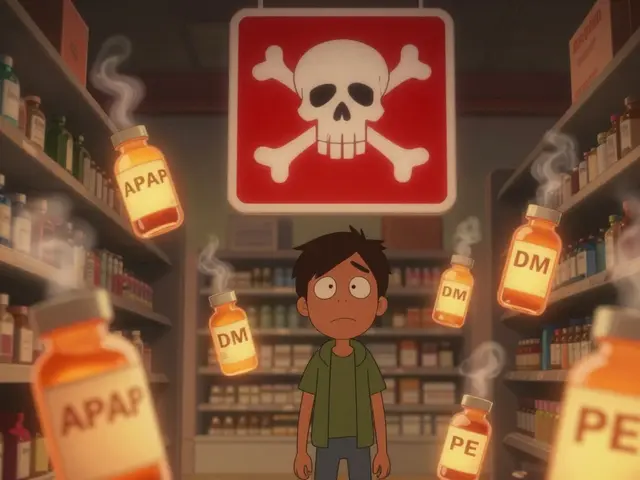
Imagine waking up every morning and needing to swallow 10 pills before breakfast. Now add another 6 at lunch and 4 at night. That’s not rare - it’s normal for many seniors managing multiple chronic conditions. This is what doctors call pill burden: the total number of medications a person takes daily. For older adults, it’s not just inconvenient - it’s dangerous.
Studies show that when people take more than five medications a day, their chance of missing a dose jumps by nearly 50%. Missed doses mean higher blood pressure, uncontrolled diabetes, or worse - hospital visits. In Australia, over 60% of adults over 65 take at least five prescription drugs. Many take ten or more. That’s not just a health issue. It’s a daily stressor that wears people down.
The good news? There’s a proven way to cut that number in half without losing effectiveness: combination medications. These are pills that pack two or more drugs into one tablet. No more juggling separate bottles. No more confusion about which pill to take when.
What Are Combination Medications?
Combination medications, also called fixed-dose combinations (FDCs) or single-pill combinations (SPCs), are exactly what they sound like: one pill that contains two or more active ingredients. They’re not new, but they’ve become smarter and more common in recent years.
For example, a single pill might combine an ACE inhibitor and a diuretic to treat high blood pressure. Another might mix metformin and sitagliptin for type 2 diabetes. Some even combine three drugs - like aspirin, a statin, and a blood pressure pill - into what’s called a "polypill." These are already being tested in clinical trials for heart disease prevention.
These aren’t magic pills. Each component has been tested individually and then tested together to make sure they work safely as a team. The FDA and other global regulators require proof that the combination delivers the same benefit as taking the drugs separately - and that the side effects don’t get worse.
How Combination Pills Improve Adherence
Adherence - taking your meds exactly as prescribed - is the biggest challenge in chronic disease management. And it’s the one thing combination pills fix better than anything else.
A 2007 meta-analysis in the American Journal of Medicine found that patients using combination pills were 26% more likely to stick to their regimen than those taking the same drugs separately. That number holds true across conditions: hypertension, HIV, tuberculosis, and even some mental health treatments.
Why? Simplicity. When you go from 10 pills to 3, your brain doesn’t get overloaded. You’re less likely to forget. You’re less likely to panic when you see a full pill organizer. You’re more likely to feel in control.
One real-world study showed that seniors on combination therapy were 40% more likely to keep taking their meds after six months. That’s not just a statistic - it’s fewer heart attacks, fewer strokes, fewer ER trips.

Proven Benefits Beyond Fewer Pills
Reducing pill count doesn’t just help you remember to take your meds. It changes outcomes.
For high blood pressure, a 2023 review in the European Journal of Cardiology Practice found that patients on single-pill combinations had an average drop of nearly 4 mmHg in systolic blood pressure and 1.5 mmHg in diastolic pressure - compared to those taking the same drugs as separate pills. That difference might seem small, but it translates to a 20% lower risk of stroke over five years.
Costs drop too. Even if the combination pill costs a bit more upfront, you save on co-pays, pharmacy visits, and missed work. Caregivers spend less time sorting pills. Pharmacists spend less time explaining regimens. And hospitals see fewer admissions from medication errors.
There’s also a psychological benefit. Seniors who switch to combination pills often report feeling less overwhelmed. One woman in Melbourne told her pharmacist, "I used to dread my pill box. Now I just grab one tablet and call it done. It feels like I’m winning again."
When Combination Pills Might Not Be Right
Combination pills aren’t perfect. They’re not a one-size-fits-all solution.
If you’re just starting treatment and your doctor needs to fine-tune your dose - say, increasing your blood pressure medication slowly - a combination pill might be too rigid. You can’t adjust one drug without affecting the other.
Some people react badly to one component of the combo. If you’re allergic to a diuretic but don’t need the other drug, you’re stuck. Or if you develop side effects like dizziness or cough, you can’t easily drop just one drug.
Also, not all combinations are available for every condition. While they’re common for hypertension, diabetes, and HIV, options are still limited for conditions like osteoporosis or depression.
That’s why it’s not about swapping every pill for a combo. It’s about smart choices - replacing loose doses with combinations when it makes sense.
What to Ask Your Doctor or Pharmacist
Don’t assume your doctor has already considered combination pills. Many still default to prescribing individual meds because they’re used to it.
Here are five questions to ask at your next appointment:
- "Are there any combination pills that could replace two or more of my current medications?"
- "Would a single-pill combo be safe and effective for my specific condition and current doses?"
- "What happens if I need to change one drug later - can I still switch to separate pills?"
- "Is there a generic version of this combo? It might save me money."
- "Can you check if my current meds can be simplified without losing control of my health?"
Pharmacists are your secret weapon. They review your full list of meds - including over-the-counter and supplements - and can flag interactions or redundancies. Many pharmacies now offer free medication reviews. Use them.

Real-Life Examples of Successful Switches
Let’s say you’re taking:
- Losartan 50mg (for blood pressure)
- Hydrochlorothiazide 12.5mg (a water pill)
- Atorvastatin 20mg (for cholesterol)
- Metformin 500mg twice daily (for diabetes)
That’s six pills a day. Now imagine switching to:
- Losartan/HCTZ 50/12.5mg (one pill)
- Atorvastatin 20mg (one pill)
- Metformin ER 1000mg (one pill, taken once daily)
Now you’re down to three pills a day. Same control. Half the hassle.
Another example: A 72-year-old man with heart failure was taking furosemide, lisinopril, spironolactone, and bisoprolol - four separate pills. His doctor switched him to a combination of lisinopril and spironolactone, and kept the other two as singles. He went from five pills to three. Within three months, his hospital readmission risk dropped by 60%.
What’s Coming Next
The future of combination therapy is getting even smarter.
Researchers are testing "polypills" with three or four drugs - like aspirin, a statin, and two blood pressure meds - in one tablet for people at high risk of heart disease. Early results show better adherence and fewer heart events.
Some companies are even developing time-release combos that release different drugs at different times of day. Imagine one pill that gives you your morning diabetes dose and your evening blood pressure dose, all in one swallow.
Regulators are pushing for faster approval of these combos. The CDC and the American Heart Association now recommend starting with combination therapy for many patients with stage 2 hypertension - not as a last resort, but as a first step.
Final Thoughts: Simplicity Saves Lives
Pill burden isn’t just about the number of tablets. It’s about dignity, independence, and peace of mind. For seniors, every pill you don’t have to swallow is one less thing to worry about. One less chance to make a mistake. One less reason to skip a dose.
Combination medications aren’t a cure-all. But when used wisely, they’re one of the most effective, low-cost, and underused tools we have to help older adults stay healthy - and stay in control.
If you or a loved one is juggling a dozen pills a day, talk to your doctor. Ask if any can be combined. It might be the simplest change that makes the biggest difference.
Are combination medications safe for seniors?
Yes, when prescribed appropriately. Combination medications are rigorously tested to ensure safety and effectiveness. Each component must prove it contributes to the treatment outcome. For seniors, they often reduce side effects because lower doses of each drug are used together, rather than higher doses of single agents. Always discuss your full medical history with your doctor before switching.
Can I switch to combination pills on my own?
No. Never change your medication regimen without talking to your doctor or pharmacist. Even if two drugs are available in a combo form, your dose may need adjustment. Stopping or switching meds suddenly can cause dangerous side effects, like blood pressure spikes or kidney issues. Always get professional guidance.
Do combination pills cost more than separate pills?
Sometimes they cost a bit more upfront, but often they’re cheaper overall. Many combination pills now have generic versions, which can cost less than buying two separate generics. Plus, you pay only one co-pay instead of two or three. Over time, better adherence means fewer hospital visits and tests - saving thousands in medical costs.
What if I need to adjust the dose of one drug in the combo?
That’s a limitation. Combination pills come in fixed doses, so you can’t change just one component. If your doctor needs to fine-tune your treatment - say, increase your blood pressure medicine - they may temporarily switch you back to separate pills. Once the right dose is found, they can often re-prescribe the combo if it still fits.
Which conditions benefit most from combination pills?
Hypertension, type 2 diabetes, HIV, and heart failure are the top conditions where combination pills have proven benefits. These are diseases that require consistent, daily medication to prevent complications. For example, missing one blood pressure pill can raise stroke risk. Combining drugs into one pill helps ensure you never miss a dose.






Write a comment