

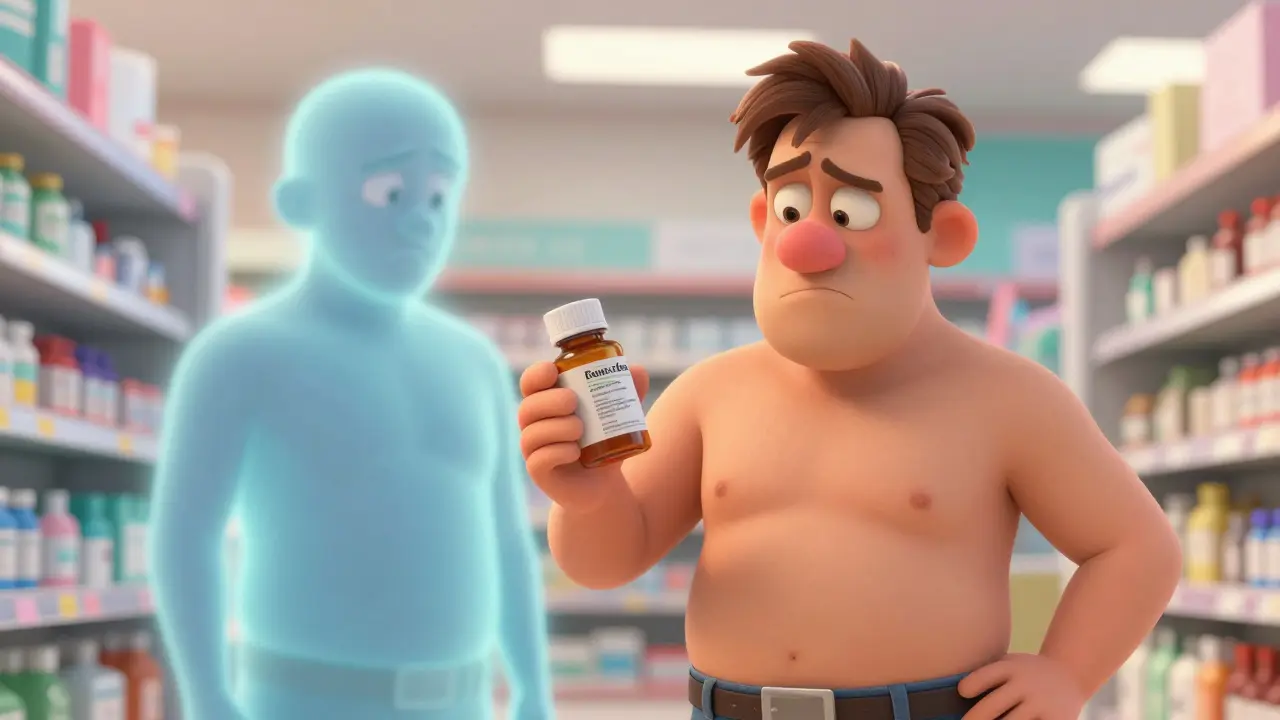
You’ve been taking a medication for years, and it works. Then, your pharmacy switches you to a generic version to save money. Suddenly, your symptoms return, or you start feeling side effects you've never had before. You might assume your condition is getting worse or that you've developed a new allergy, but there's another possibility: the drug simply isn't working. This is called therapeutic failure, and when it happens with generics, the results can range from a minor nuisance to a life-threatening crisis.
Most people assume that a generic is a perfect clone of the brand-name drug. While they are required to have the same active ingredients, the reality is more complex. From manufacturing glitches to the way a pill dissolves in your stomach, several variables can turn a reliable treatment into an ineffective one.
The Gap in "Equivalent" Standards
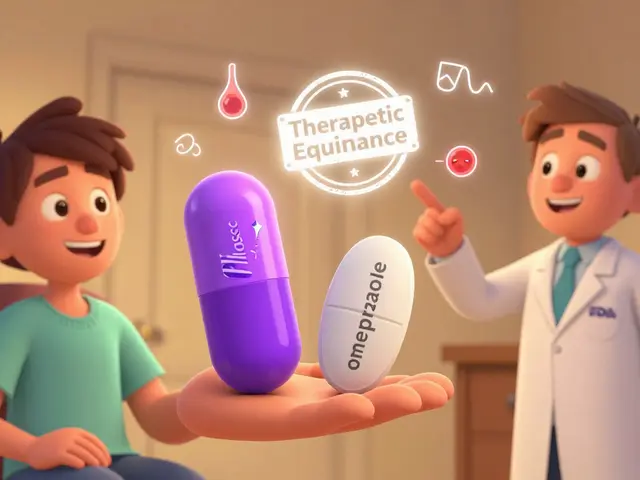
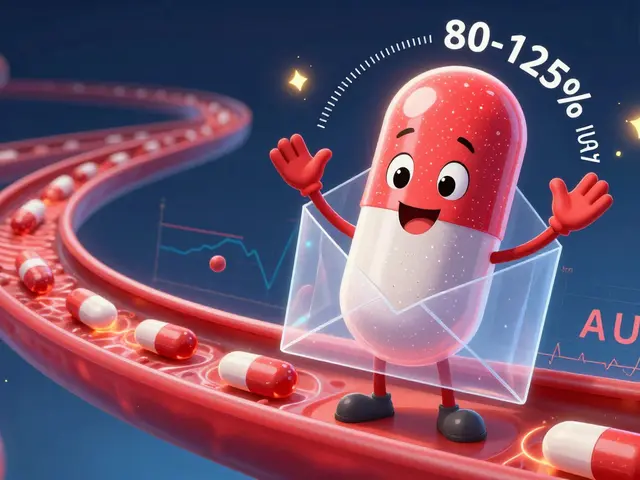
To get a generic drug approved, manufacturers must prove bioequivalence. This essentially means the generic must deliver the same amount of the active ingredient into the bloodstream at a similar rate as the original. However, the regulatory window is wider than you might think. The FDA typically allows a confidence interval of 80% to 125% for the area under the curve (AUC) and maximum concentration (Cmax).
What does that mean for you? It means a generic could theoretically deliver 20% less or 25% more of the medication than the brand name. For a basic headache pill, this variance doesn't matter. But for medications where the line between a "healing dose" and a "toxic dose" is razor-thin, a 20% difference is a massive gamble.
The Danger of Narrow Therapeutic Index (NTI) Drugs
Some medications belong to a category called Narrow Therapeutic Index (NTI) drugs. These are medicines where a tiny change in the blood concentration can lead to either a total failure of treatment or severe toxicity. Examples include warfarin (a blood thinner), phenytoin (for seizures), and digoxin (for heart failure).
If a patient taking a generic anticoagulant receives slightly too little of the drug, they risk a life-threatening clot. Too much, and they risk internal bleeding. Because the stakes are so high, these drugs require tighter bioequivalence standards (90-111%), yet gaps in quality control still slip through. For instance, patients using generic tacrolimus-used to prevent organ transplant rejection-have reported failures where the drug didn't release properly, potentially risking the loss of a transplanted organ.
| Feature | Standard Generic | NTI Generic |
|---|---|---|
| Bioequivalence Window | 80% - 125% | 90% - 111% |
| Sensitivity to Dose Change | Low to Moderate | Extremely High |
| Risk of Failure | Low (usually) | High (potentially fatal) |
When the "Recipe" Changes: Inactive Ingredients
It isn't just about the active drug. The excipients-the inactive fillers, binders, and coatings-can change how a drug behaves in your body. These "inactive" ingredients determine the dissolution rate: how fast the pill breaks down in your stomach.
Consider the case of Budeprion XL (a generic for Wellbutrin). The FDA eventually withdrew its approval after it became clear that changes in the inactive ingredients altered how the drug performed. Some generics might dissolve three times faster than the brand name, dumping the medication into your system all at once rather than releasing it slowly over 24 hours. This can lead to a spike in side effects and a premature drop in the drug's effectiveness.
Manufacturing Failures and Invisible Threats
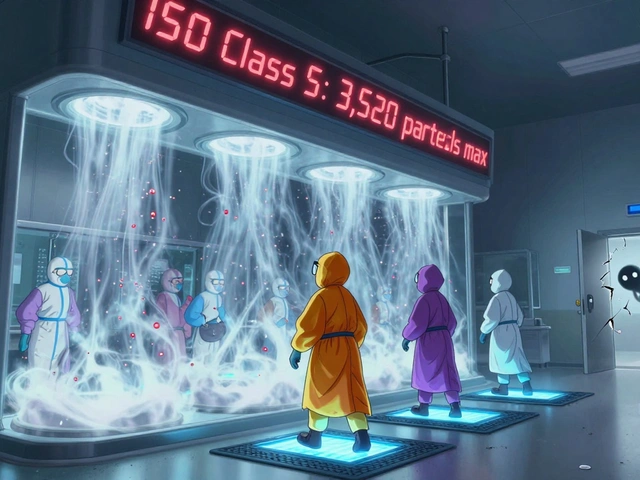
Quality control is only as good as the facility producing the drug. Investigations have found that some generics contain far less than the labeled amount of the Active Pharmaceutical Ingredient (API). In some shocking cases, chemotherapy drugs for breast and ovarian cancers were found to be so under-dosed that treating a patient with them was essentially useless, giving the cancer a window to grow.
Then there are the contaminants. We've seen high-profile recalls of blood pressure medications like valsartan and losartan because they contained nitrosamines, which are potential carcinogens. These aren't "failures" in the sense that the drug doesn't work, but they are failures of safety monitoring that put patients at risk for the sake of cheaper production.
The Human Cost of Generic Substitution
When a drug fails therapeutically, it isn't just a statistic; it's a clinical crisis. Doctors have reported patients suddenly becoming unresponsive to cancer treatments they had previously tolerated. Some have suffered severe nausea and vomiting due to overdoses caused by inconsistent dissolution rates. In May 2024, Glenmark Pharmaceuticals had to recall 47 million doses of potassium chloride because the tablets weren't dissolving properly, which is a nightmare scenario for patients struggling with electrolyte imbalances.
For many, the result is a forced move to a second-line treatment. These alternatives are often less effective or have harsher side effects, meaning the patient's quality of life drops simply because the first-line generic didn't meet the quality mark.
How to Spot and Handle Therapeutic Failure
Since you can't see the chemical composition of your pill, you have to rely on your body and your doctor. If you notice a sudden change in how your medication works, don't just assume the disease is progressing. Ask yourself: Did my pharmacy change the manufacturer of my generic? Did the shape or color of the pill change?
- Keep a Log: Note the exact date and time you notice a dip in efficacy or an increase in side effects.
- Check the Bottle: Look for the manufacturer's name. If it's different from your previous refill, flag it.
- Request "Dispense as Written": For NTI drugs or those where you've had issues, your doctor can specify that only the brand-name version should be provided.
- Medication Reconciliation: Regularly review your list of generics with a pharmacist to ensure consistency across different prescriptions.
Are all generic drugs unsafe?
No. The vast majority of generics are high-quality and work exactly like their brand-name counterparts. Therapeutic failure is a rare occurrence, but when it does happen, it can be severe, especially with high-risk medications.
Why does the FDA allow a 20-25% variance in absorption?
For most drugs, a 20% difference in absorption doesn't clinically change the outcome. The body handles these fluctuations without a noticeable change in efficacy or safety. However, this standard is too broad for Narrow Therapeutic Index (NTI) drugs, which is why they have stricter rules.
What is the difference between a brand-name drug and a generic?
A brand-name drug is the original version developed by a company. A generic contains the same active ingredient but is produced by other companies after the patent expires. While the active ingredient is the same, the inactive fillers (excipients) can differ.
Can I ask my pharmacist to keep the same generic manufacturer?
Yes. You can request that the pharmacy consistently provide the same manufacturer's version of a generic to avoid "therapeutic drift" caused by switching between different generic versions.
What should I do if I suspect my generic isn't working?
Contact your healthcare provider immediately. Do not change your dose or stop taking the medication on your own. Tell your doctor if the manufacturer changed, and ask if switching back to the brand-name version or a different generic is an option.

Write a comment