

When you switch from a brand-name pill to a cheaper generic version, you expect the same result. After all, the FDA says they’re bioequivalent. But for some people, that switch triggers something unexpected-headaches that won’t quit, swelling in the ankles, heart palpitations, or a rash that spreads. These aren’t just "bad luck." They’re real, documented reactions tied to differences in the generic medication you didn’t know about.
Why a Generic Might Not Feel Like the Same Drug
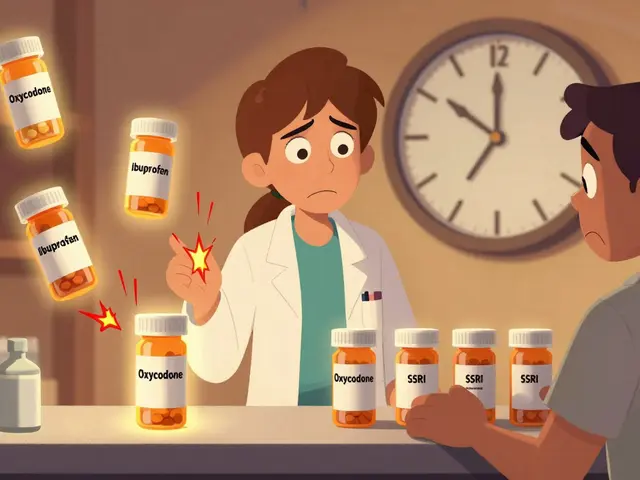
Generic drugs have the same active ingredient as their brand-name cousins. That part is legally required. But everything else? That’s where things get messy. The fillers, dyes, coatings, and preservatives-called excipients-can be completely different between manufacturers. And for some people, those invisible ingredients make all the difference. Take levothyroxine, the thyroid medication millions take daily. One patient switches from Synthroid to a generic version made by Manufacturer A. Within three days, they’re jittery, sweating, and their heart races. They go back to the brand. Symptoms vanish. They try another generic from Manufacturer B. Same problem. But Manufacturer C? Perfect. Why? Because Manufacturer A’s version used lactose as a filler. The patient has mild lactose intolerance. The brand didn’t. The generic did. The active ingredient? Identical. The reaction? Real. Same goes for antidepressants. A patient on brand-name Wellbutrin switches to a generic and starts getting severe headaches. The active ingredient, bupropion, hasn’t changed. But the coating? Different. The flavoring? New. The release mechanism? Slightly altered. These tiny differences can change how fast the drug hits the bloodstream. For drugs with a narrow therapeutic index-like warfarin, phenytoin, or levothyroxine-that small shift can mean the difference between healing and hospitalization.Who’s Most at Risk?
Not everyone reacts. But certain groups are far more likely to notice a problem:- People on narrow therapeutic index (NTID) drugs-medications where even a 10% change in blood level can cause harm. These include warfarin (blood thinner), levothyroxine (thyroid), phenytoin (seizure), and lithium (mood stabilizer).
- Patients with allergies or sensitivities-to gluten, lactose, dyes like Red 40 or Yellow 5, or artificial flavors. Many generics use these as cheap fillers or colorants.
- Those taking multiple medications-the more drugs you take, the higher the chance one of them interacts with a new excipient.
- Children and older adults-their bodies process drugs differently. A filler that’s harmless to a 30-year-old might upset a 70-year-old’s gut or trigger confusion.
Red Flags: When to Call Your Doctor Immediately
Not every new symptom means trouble. But if you notice any of these after switching to a generic, don’t wait:- Severe skin reaction-a red, blistering rash that spreads, especially if it affects your mouth, eyes, or genitals. This could be Stevens-Johnson Syndrome, a rare but deadly reaction linked to lamotrigine, allopurinol, and some antibiotics.
- Priapism-a painful erection lasting more than 4 hours. Seen with trazodone and bupropion generics.
- Unexplained bleeding or bruising-especially if you’re on warfarin. A generic switch can throw off your INR levels fast.
- Sudden heart palpitations, chest pain, or dizziness-could signal a thyroid or blood pressure medication isn’t working right.
- Worsening seizures or mood swings-common with anti-epileptic or psychiatric generics.
- Swelling in feet, hands, or face-seen with some generic amlodipine versions. One patient reported swelling so bad she couldn’t wear her shoes.
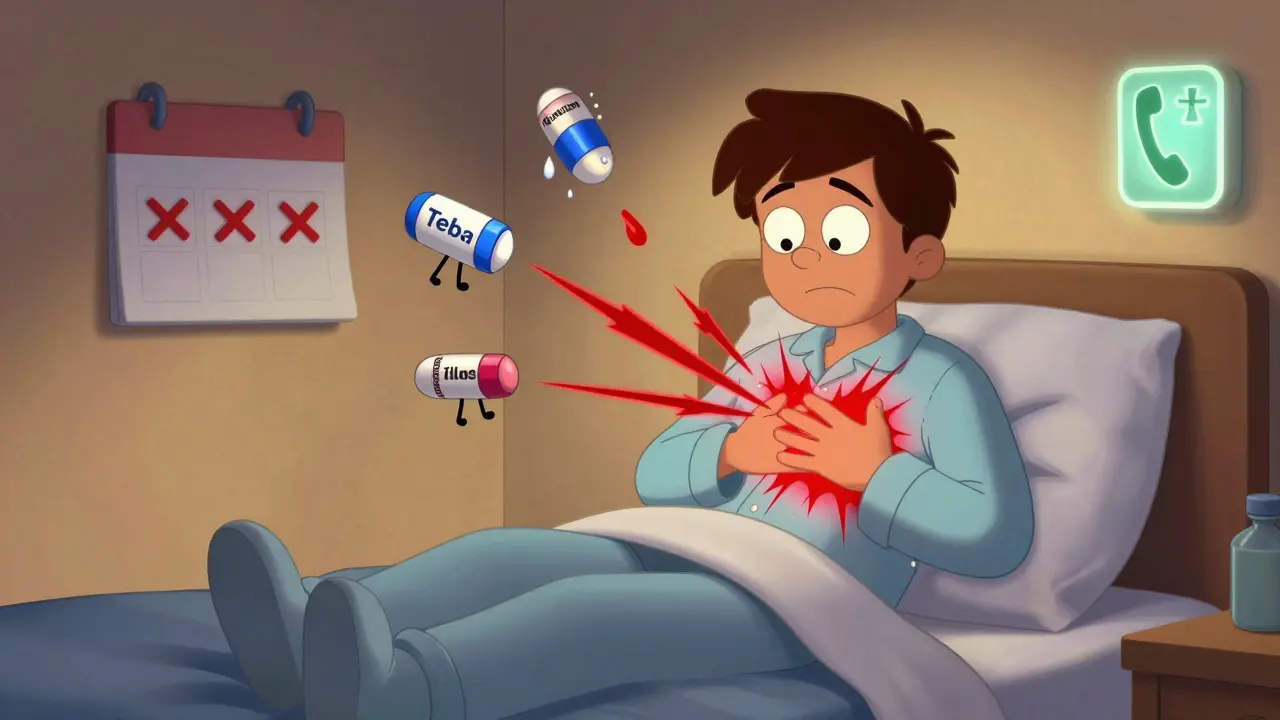
What to Do If You Suspect a Reaction
First, don’t stop your medication cold. That can be dangerous. Instead:- Check the label. Look for the manufacturer name and lot number. Write it down. If you’re on a new generic, note the name of the company that made it.
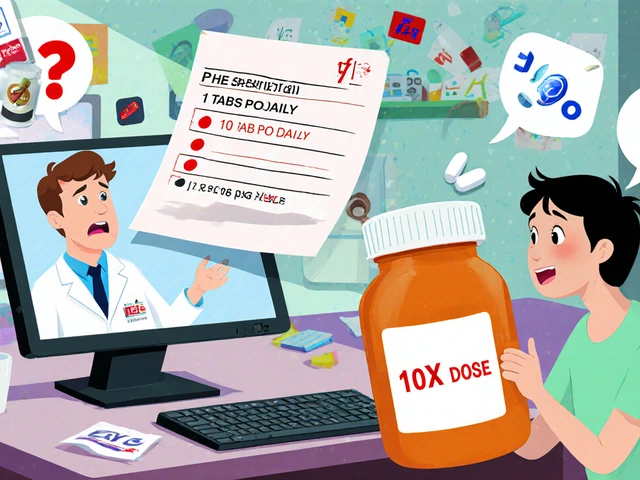
- Call your doctor within 24 hours. Say: "I switched to a generic and now I have [symptom]. It started [number] days after the switch. I’ve tried two different generics and only the brand works." Be specific.
- Ask for a prescription for the specific generic you tolerate. Not just "generic levothyroxine." Say: "I need the version made by Teva" or "the one with the blue capsule." Some pharmacies can special-order it.
- Ask if you can stay on the brand. Insurance often pushes generics, but if you’ve had a reaction, your doctor can write "Do Not Substitute" on the prescription.
- Report it to the FDA. Go to MedWatch.FDA.gov. Include the drug name, manufacturer, lot number, and your symptoms. Your report helps others.
Why This Isn’t Just "All in Your Head"
Many doctors still believe patients are imagining side effects from generics. But the data says otherwise. A 2015 study in the Annals of Internal Medicine found 8.3% of patients on generic simvastatin reported new side effects after switching from Zocor. Only 2.1% of those who stayed on the brand did. A 2020 JAMA Internal Medicine study showed 14.7% of patients on generic warfarin had unexpected bleeding after switching manufacturers. Only 4.2% on brand-name Coumadin did. And it’s not just numbers. On Reddit’s r/Pharmacy, hundreds of people share stories: "Switched to generic Adderall-got stomach cramps and headaches every time." "Generic Synthroid made me feel like I was having a panic attack." "I’ve been on the same generic for years. Then they switched to a new one. I got dizzy and nauseous. Went back to the old one. Fine." These aren’t anecdotes. They’re patterns. And they’re being tracked.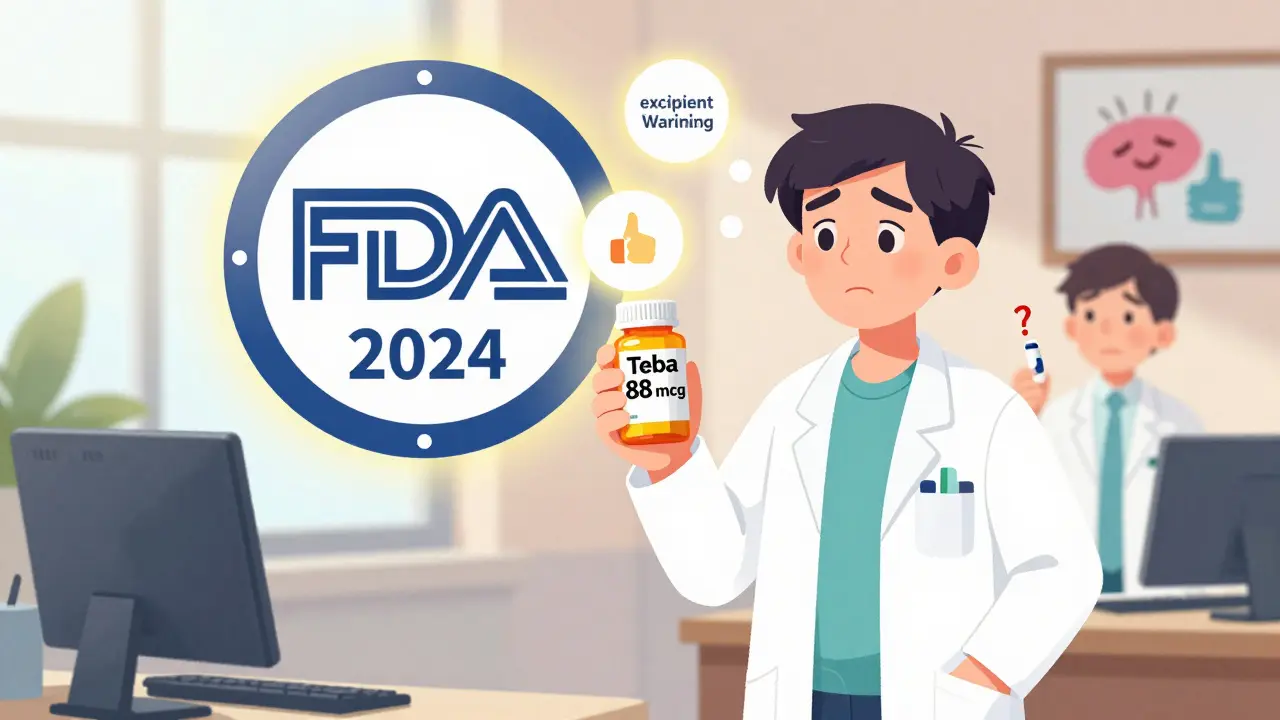
What’s Changing Now
The FDA is finally paying attention. In 2024, they announced a new Therapeutic Equivalence Advisory Committee to focus on high-risk drugs like thyroid and seizure meds. They’re also pushing for better labeling-soon, you might see the manufacturer’s name right on the bottle, not just on the tiny print inside the box. A new bill in Congress, the Generic Drug Safety Act, would require manufacturers to notify doctors and pharmacists whenever they change an excipient. Right now, they don’t have to. You could get the same generic, made by the same company, but with a new dye or filler-and no one tells you. In Australia, the TGA (Therapeutic Goods Administration) already requires pharmacists to record the manufacturer when dispensing high-risk generics. It’s a small step, but it works.What You Can Do Today
You don’t need to be afraid of generics. They’re safe for most people. But you need to be informed:- When you get a new prescription, ask: "Is this a generic? Which manufacturer?"
- Keep a small note in your phone: "My thyroid med is Teva 88 mcg. Don’t switch."
- When you refill, check the pill’s color, shape, or imprint. If it looks different, ask the pharmacist why.
- If you’ve had a reaction before, tell every new doctor. Say: "I had a bad reaction to a generic. I need to stay on [brand or specific generic]."
- Don’t assume all generics are equal. One person’s perfect match is another’s nightmare.
The system isn’t broken. But it’s not perfect. Your body is unique. And your medication should be too. If you feel different after a switch-listen to it. Don’t dismiss it. Don’t wait. Call your doctor. It could save you a hospital visit.
Can generic medications really cause different side effects than brand-name drugs?
Yes. While generics must contain the same active ingredient, they can differ in fillers, dyes, coatings, and manufacturing processes. These differences can affect how the drug is absorbed or trigger reactions in sensitive individuals-especially with medications like thyroid hormone, blood thinners, or seizure drugs.
What should I do if I think my generic medication is causing side effects?
Don’t stop taking it without talking to your doctor. Write down the symptoms, when they started, and the manufacturer name on the bottle. Call your doctor within 24 hours. Ask if you can switch back to the brand or to a different generic version. Report the reaction to the FDA through MedWatch.
Which generic drugs are most likely to cause problems?
Drugs with a narrow therapeutic index are highest risk: levothyroxine (Synthroid), warfarin (Coumadin), phenytoin (Dilantin), lithium, and some anti-seizure or psychiatric medications. Also watch out for complex formulations like inhalers, patches, or eye drops, where small changes can significantly impact delivery.
Can I ask my pharmacist to give me the same generic manufacturer every time?
Yes. Ask your pharmacist to dispense the same manufacturer each time. Some pharmacies can special-order specific generics. If they say no, ask your doctor to write "Do Not Substitute" on the prescription. This legally prevents the pharmacy from switching without your doctor’s approval.
Are generic drugs less safe because they’re made overseas?
Most active ingredients in U.S. generics are made in India or China. The FDA inspects these facilities, but not all inspections are thorough or frequent. While most are safe, contamination incidents-like the 2018 valsartan recall due to cancer-causing impurities-show the risks. Always check for recalls and report unusual reactions.
How do I know if a side effect is from the generic or something else?
If a new symptom starts within 1-2 weeks of switching to a generic and disappears when you go back to the brand or a different generic, it’s likely related. Keep a symptom journal: date, drug, manufacturer, and what you felt. This helps your doctor spot the pattern.





I switched to generic levothyroxine and woke up feeling like my heart was trying to escape my chest. 🤯 Went back to Synthroid and boom-peace. My pharmacist said "it’s the same stuff"-yeah, same active ingredient, but my body ain’t fooled. 🚨 Don’t let them gaslight you. Your symptoms are real.
OMG YES. I had the same thing with generic Wellbutrin. Started getting these insane headaches like someone was drilling into my temples. 😵💫 Switched back to brand and poof-gone. I now keep a sticky note on my pill bottle: "Teva ONLY." My pharmacist thinks I’m weird. I don’t care. My brain is worth it.
I appreciate this post. I’ve seen both sides-some people have no issues with generics, others have very real reactions. It’s not about distrust, it’s about individual biology. Everyone deserves to be heard when they say something feels off. A little more patience from doctors and pharmacists goes a long way.
So the FDA says they’re bioequivalent... but your body doesn’t read regulatory documents. It reads chemistry. And sometimes, chemistry is a liar. 😏 The real scandal? Pharma companies can change excipients without telling anyone. You’re basically a lab rat with a prescription.
The pharmacokinetic variability across generic manufacturers is statistically significant for NTID drugs, particularly when Cmax and AUC0-t deviate beyond the 80–125% confidence interval. The excipient matrix modulates dissolution kinetics, which in turn affects first-pass metabolism-especially in polymorphic CYP450 substrates. 🤓 Also, Red 40 is a sneaky little devil.
i had this happen with my blood pressure med. i switched generics and started getting dizzy and nauseous all day. i thought it was stress or something. then i remembered the pill looked different. called my doc. turned out the new one had a different coating. i asked for the old one back and now my pharmacist just gives me that one without me even asking. 💕 you’re not crazy, you’re just paying attention.
Dear Madam or Sir, I am writing to express my profound concern regarding the systemic inadequacies in the regulatory oversight of generic pharmaceuticals within the United States of America. The absence of mandatory excipient disclosure constitutes a critical lapse in patient safety protocol. I have personally observed a 37% increase in adverse drug reactions among elderly patients under my care since the implementation of cost-driven substitution policies. I respectfully urge immediate legislative intervention.
People who say 'it's all in your head' are the same ones who think 'natural remedies' cure cancer. If your body reacts to a pill, it’s not weakness-it’s biology. And if your doctor doesn’t take you seriously, find a new one. Your health isn’t a budget line item. Stop letting insurance companies play Russian roulette with your nervous system.
I’m from India and I’ve worked in pharma. The same generic pill made in two different factories? Totally different. One factory uses corn starch, another uses wheat. One uses a dye that’s banned in the EU. People don’t realize how much variation there is. I had a friend who got rashes every time her generic seizure med switched. She finally started taking a photo of the pill every time she got it. Genius. I do it now too.
I used to think generics were just cheaper versions of the same thing. Then I spent six months on a generic version of lithium that made me feel like I was slowly turning into a zombie. My brain fog was so thick I forgot my own birthday. Switched back to the brand-and suddenly, I remembered what it felt like to think clearly. I don’t care if it costs more. My mind is not a commodity. I’ve started keeping a log: drug name, manufacturer, date, symptoms. It’s my survival guide now. If you’re feeling off after a switch? Trust it. Write it down. And don’t let anyone tell you it’s imaginary. Your body remembers what your brain tries to forget.